
We are living in one of the most critical chapters in the story of human development — a time when our youth stand both remarkably connected and increasingly disconnected. A time when their voices echo across digital landscapes, yet many feel unheard in their own homes and schools.
Today’s youth — Gen Z and Gen Alpha — are growing up in a world faster, louder, and more complex than any before it. Their challenges are unprecedented in scope, shaped by technology, social transformation, and the relentless demand to “keep up.”
1. The Pressure to Belong
Peer pressure no longer ends at the school gates. It lives in algorithms and timelines, whispering through curated images and viral trends. The modern student is constantly asked to perform identity rather than discover it.
The antidote? Authenticity.
When we teach students to know their values and voice, we empower them to live grounded in purpose rather than popularity.
2. The Mental Health Crisis
Across the globe, youth anxiety and depression have more than doubled in the past decade. Behind the grades and filters, young people quietly wrestle with self-worth, loneliness, and emotional fatigue.
The response cannot be silent. It must be conversation and connection — schools and homes that normalize emotional honesty and encourage professional and peer support.
3. The Digital Dilemma
Social media promised connection but delivered comparison.
In this digital paradox, students measure their worth by likes and follows, while real-life belonging fades into the background.
We must teach media literacy as modern survival — helping students see that most of what they consume is curated, not real.
4. The Fear of Failure
We’ve created a culture that worships perfection but forgets process. Many young people now see failure not as feedback, but as finality.
As educators and mentors, we must redefine success — celebrating progress, risk-taking, and resilience over flawless outcomes.
5. The Uncertain Future
Climate anxiety, economic instability, and societal division weigh heavily on young minds. Their question isn’t just “What will I do?” but “Will I be okay?”
Our answer must be hope anchored in action — equipping youth with the tools to focus on what they can control and reminding them they are part of the solution, not powerless against it.
Final Reflection
The state of the youth is not a crisis; it’s a call for understanding, compassion, and collaboration.
Yes, the world has grown noisier. But within that noise, a generation is learning how to find its rhythm.
As a coach, speaker, and advocate, I’ve witnessed that spark — the moment when a young person realizes that resilience isn’t the absence of struggle, but the decision to rise in spite of it.
If we keep showing up — listening, guiding, and believing — we’ll discover that the very generation we fear for is the one destined to lead us forward.
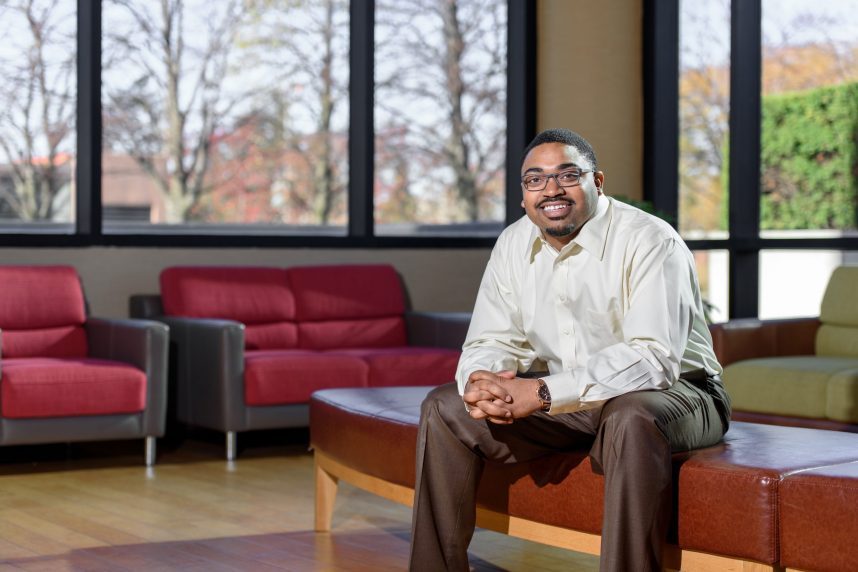 Jason A. Dixon, author of The Youth Advocate Blog, passionately amplifies the voices and experiences of young people. Through inspiring and thought-provoking monthly articles, he critically examines the issues that impact youth today. Known as Coach Jason, he is also a leading youth motivational speaker for middle school, high school, and college students. As the CEO and Founder of Inspire 2 Reach Higher, Coach Jason is passionate about empowering the next generation. Follow Coach Jason on Facebook, Instagram, LinkedIn, and YouTube to stay connected and inspired.